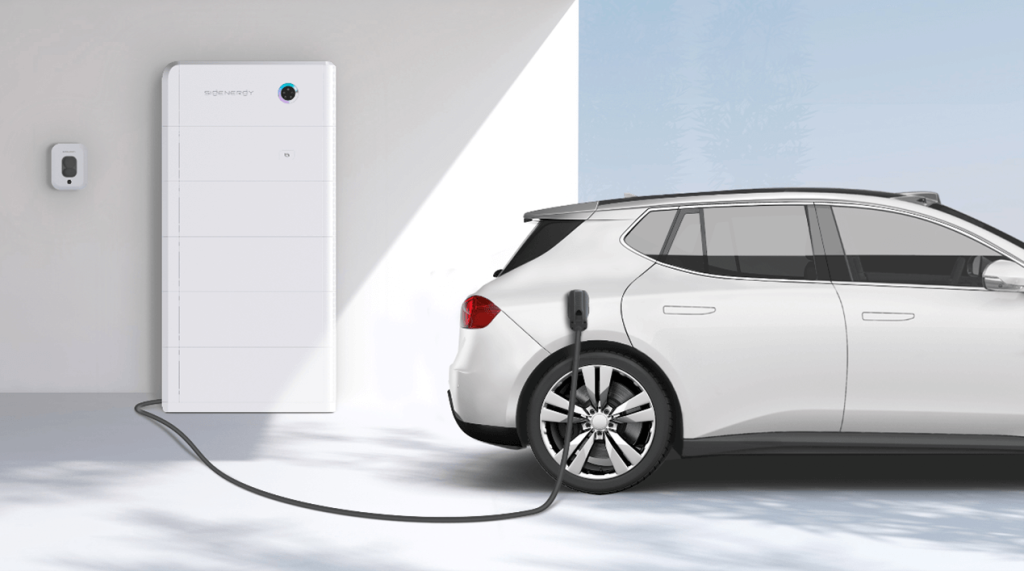
Thinking about upgrading your home energy system? Whether you live in the misty heights of the Dorrigo Plateau, the freezing winter landscapes of Lowanna, or the humid coastal valleys of the Mid North Coast, adding a battery to your solar setup is one of the smartest moves you can make this year.
Even though federal and state rebates have shifted, electricity prices continue to rise. A well-designed solar and battery system offers the ultimate shield: lower power bills, true energy independence, and peace of mind during a blackout.
But there’s a catch: You only get those benefits if the system is designed properly. The biggest risk isn’t the technology itself—it’s buying the wrong system, from the wrong company, for the wrong reasons.
At BetterVolt, we believe in honest advice and quality local service. Before you sign any contract or fall for a “limited-time” sales pitch, make sure you check off these 12 essential tips.
1. Know Your Energy “North Star”
Before looking at specific brands or battery prices, answer one question: Why do you actually want this system?
- Is your main goal to completely slash your daily electricity bills?
- Do you need robust backup power to survive regular regional grid dropouts?
- Are you future-proofing your home for an Electric Vehicle (EV)?
- Do you simply want total energy independence?
Every single one of these goals is valid, but they all require a completely different system design. A young family in Bellingen who comes home at 6:00 PM and turns on the ducted air conditioning requires a radically different setup than a retired couple in Dorrigo who uses most of their power during peak daylight hours. Know your mission first.d.
2. Demand Real Energy Data (No Guesswork!)
Please don’t buy a battery based on a sales rep guessing your habits. Your energy usage data is the DNA of your home.
A quality installer won’t just look at the dollar amount on your last bill. They should analyse your actual smart meter interval data and existing solar monitoring app history. This data reveals the unfiltered truth about your household energy habits. If an installer isn’t interested in analysing your specific usage profile, treat that as an immediate warning sign.
3. Understand Your Night-Time Consumption
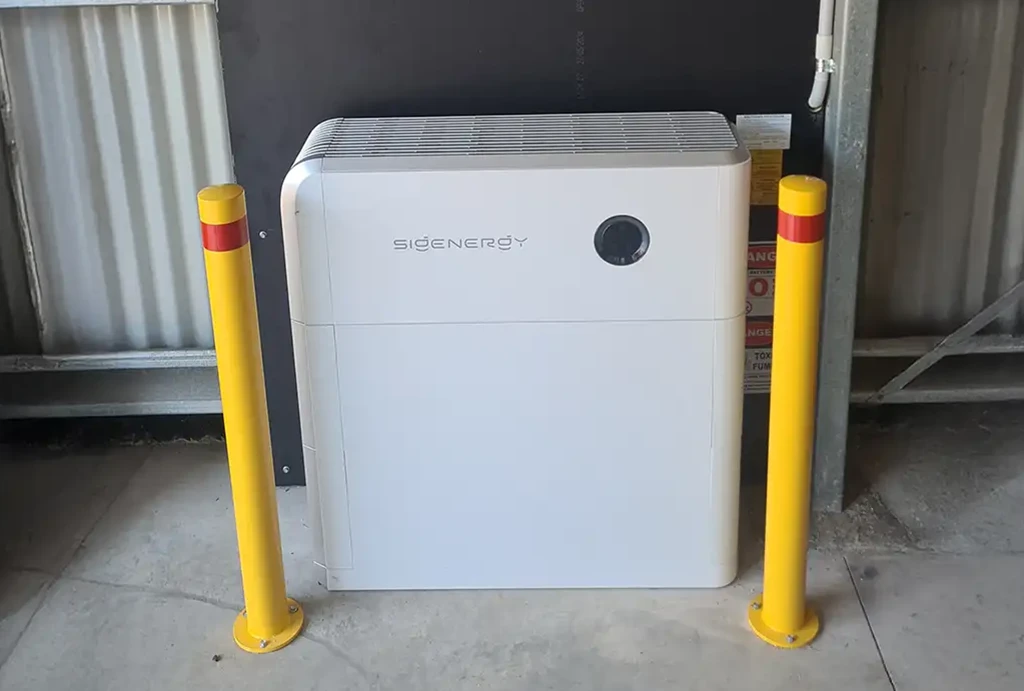
A solar battery earns its keep after the sun goes down. When your panels stop producing power, your evening peak demand kicks in—the oven goes on, kids shower, and the heating or cooling starts humming.
Ask yourself: How many kilowatt-hours (kWh) do I actually use from sunset to sunrise? * If you only use 5 to 6 kWh overnight, you do not need to pay for a massive 30 kWh battery just because a salesperson made it sound impressive.
- Conversely, if you have a pool, electric hot water, or ducted heating running through a cold winter night, your needs will be much higher.
4. Ensure Your Solar System is Big Enough
This is where many homeowners get tripped up: A battery does not create energy; it only stores it. During a bright, blue summer day on the Coffs Coast, almost any system looks great. The real test is winter. If your rooftop solar array is too small, old, or heavily shaded by local timber, you won’t generate enough excess power to charge the battery when the weather turns grey.
In many cases, the smartest first step is to upgrade your solar panels, expand your current roof footprint, or replace an underperforming legacy system before you invest heavily in storage capacity.
5. Master the Basics: kWh vs. kW
It sounds technical, but understanding the difference between these two metrics is vital when comparing battery quotes.
| Metric | What it Measures | Everyday Analogy |
| Kilowatt-hours (kWh) | Storage Capacity: Total amount of energy the battery can hold. | The capacity of the fuel tank. |
| Kilowatts (kW) | Power Delivery: How much energy the battery can push out at any one single moment. | The width of the fuel pipe. |
6. Don’t Become “Rebate Obsessed”
Government incentives—like the active Federal Battery Rebate or the NSW Home Energy Saver Loan scheme, are fantastic tools to make renewable energy affordable. However, don’t let the glare of a discount cloud your long-term judgment.
Some operators push excessively large systems simply to maximise their upfront margins or visual rebate numbers. A discount sticker won’t save you if the core equipment fails in three years. The true metric of success isn’t what you save on day one; it’s the total net financial benefit your household receives over the next 10 to 15 years.
7. Insist on Premium Brands & Local Support
A home solar battery is a sophisticated piece of electrical hardware running complex software, managing grid rules, and receiving regular firmware updates.
Regional Australia is incredibly tough on electronics. Between the blistering summer heat, coastal salt air, heavy rainfall, and a rural grid that can be full of “personality,” cheap gear simply will not survive.
If you purchase an unbranded or cheap imported battery with no local corporate presence, you risk owning an “orphan system.” When a fault occurs, the overseas manufacturer blames the installer, the installer blames the manufacturer, and you are left with a dead box on the wall.
8. Read the Warranty Fine Print
A “10-year warranty” sounds comforting, but what does it actually cover?
- Does it include the cost of specialised labour to swap out a unit?
- Who pays the freight costs if a component needs to be shipped back to a capital city or warehouse?
- Is the performance degradation clause reasonable?
A professional installer should be able to walk you through the manufacturer’s product disclosure statements clearly and in plain English. If they gloss over the details with a casual “She’ll be right, mate,” it’s time to slow things down.

9. Clarify What Actually Gets Backed Up
A common trap is assuming that installing a battery means your entire house will run seamlessly during a major storm blackout. That is rarely the case.
- No Backup: Some basic budget installations provide nil blackout protection.
- Essential Circuit Backup: The battery keeps critical items running—such as your fridge, internet router, water pumps, and primary lighting circuits.
- Whole-Home Backup: The entire house stays live, but this requires specialised extra hardware (like automatic transfer switches) and can drain your stored energy very quickly if you aren’t careful.
10. Check for “Black Start” Capability
If a major storm takes the regional grid down for days, you need to know if your solar panels can continue charging your battery while isolated from the main network.
Surprisingly, some hybrid systems will give you one single tank of stored energy during a blackout, but once that battery runs flat overnight, they cannot restart using daylight power the next morning. They require the grid to safely reconnect before waking back up.
11. Make the Installer Run a Live Blackout Test
An installation isn’t complete just because the hardware looks sleek and the smartphone app is connected.
Before your installation crew packs up their tools and leaves your property, ask them to conduct a full, live commissioning test. Walk over to the main switchboard and physically simulate a grid failure.
* Did the home transition smoothly to battery power?
- Are the correct essential circuits staying live?
- Is the app accurately reporting the power flow?
A dedicated local trade professional will expect and welcome this test as proof of a job well done.
12. Choose an Expandable, Future-Proof Design
Your energy needs today won’t necessarily be your energy needs five years from now. You might add an extension to your home, welcome a new family member, or plug in a brand-new EV.
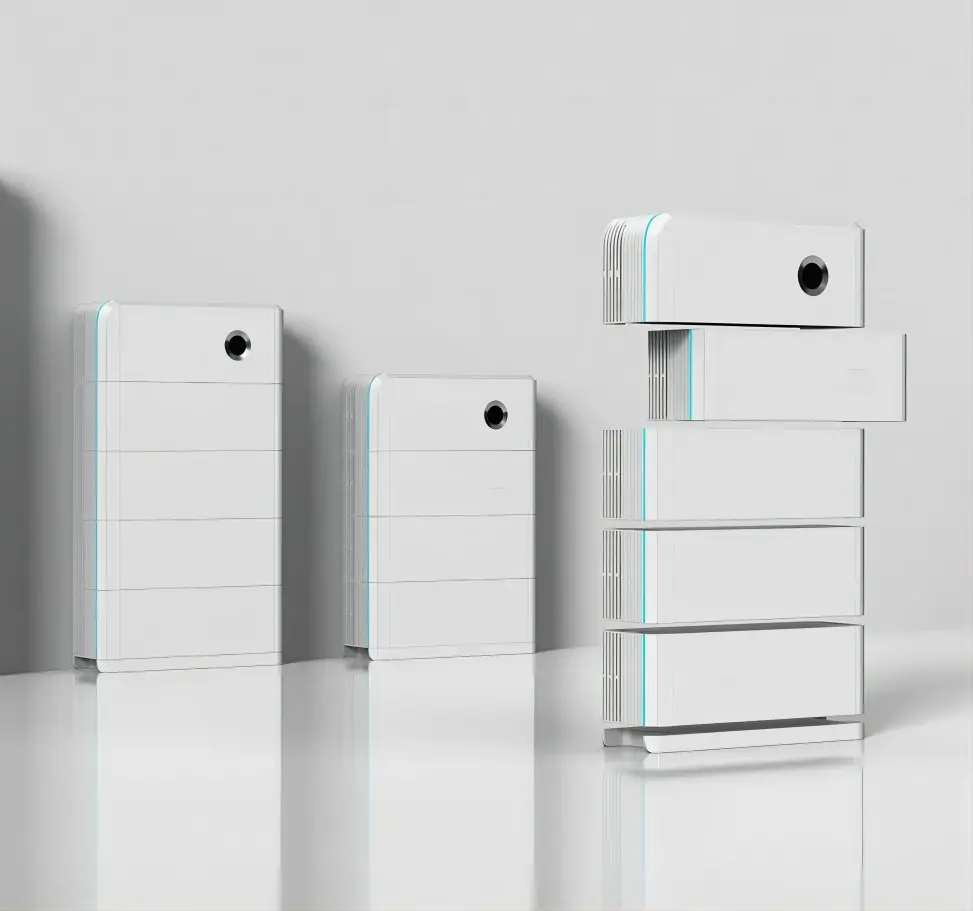
Choose modular, expandable battery technology that allows you to easily stack extra storage blocks later down the line without needing to scrap your entire inverter system. Most importantly, partner with an established installer who has deep roots in the community and will actually be around to service, support, and expand your system over the next decade.
Why Choose Better Volt for Your Battery Installation
BetterVolt delivers safe, compliant battery installations across New South Wales, following every requirement under AS/NZS 5139, AS/NZS 3000 and all NSW network service rules.
Our team measures all clearances, fits compliant fire barriers where required, and installs protection in garages or driveways. You’ll also receive full documentation, warranties and commissioning records.
If you’re ready to install a battery the correct way, talk to BetterVolt today. From inspection to final sign-off, we handle every detail so you can enjoy reliable battery storage built for NSW homes and energy needs.