How big a battery do you actually need?
A battery sizing guide for homes from Coffs Harbour to the Dorrigo plateau
The short answer
Most Mid North Coast homes suit 10–20 kWh of usable storage. Size it to what you use between about 5pm and 7am, not your whole day, add a reserve if you want blackout backup, and never buy more battery than your panels can fill on a July day.
Sizing your battery in six steps
Find out what you use after dark
A battery doesn’t need to cover your whole day. Your panels already do that while the sun is up. It needs to cover roughly 5pm to 7am, when you’d otherwise buy power at full price.
For most homes that’s 40–60% of daily use. The best way to know is the free half-hourly data from your smart meter; your retailer will send it on request. A family on 22 kWh a day typically uses 11–14 kWh after dark.
Decide what the battery is for
There are three jobs a battery can do, and each one pushes the size a different way:
- Cutting bills: size to your overnight use, no more.
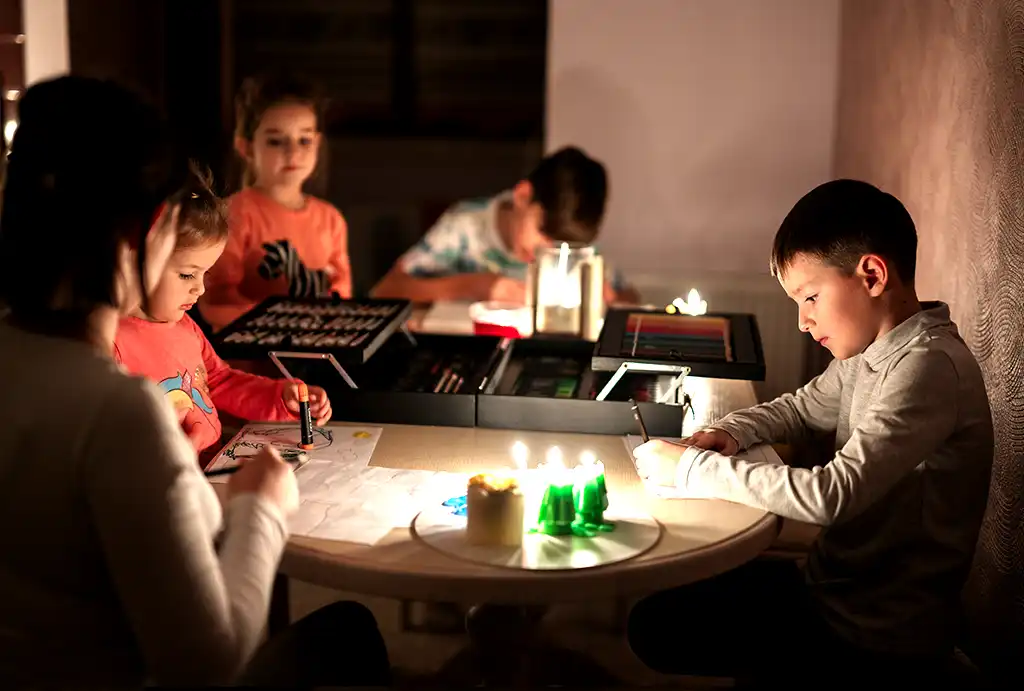
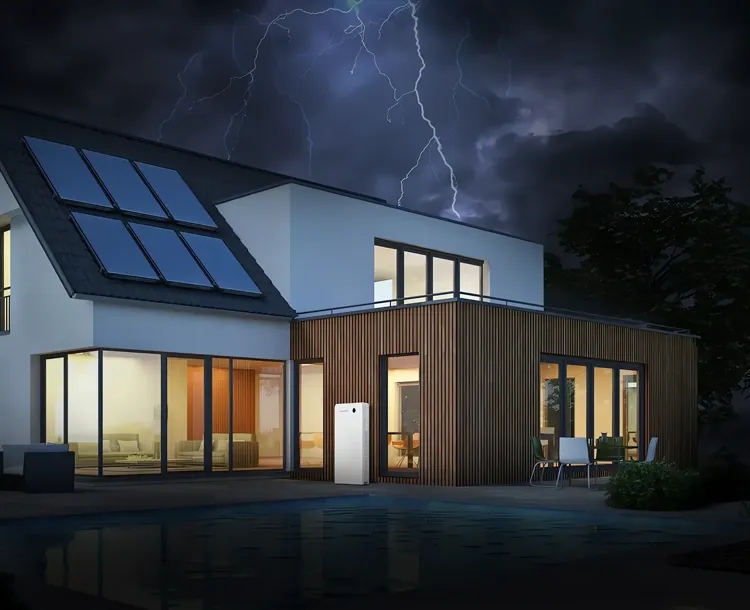
- Blackout backup: add a reserve so there’s charge left when the power drops. Worth it on the plateau and in the valleys, where storms bring lines down.
- A virtual power plant: earns the NSW VPP payment, but the VPP will use some of your capacity on peak nights.
Allow for usable capacity and losses
Check the usable kWh on the spec sheet, not the nominal figure. Then allow about 10% for losses going in and out, and whatever reserve you want kept back for blackouts.
A quick way to do it: divide your after-dark usage by 0.85. A home using 12 kWh overnight needs around 14 kWh of usable battery to get through most nights without touching the grid.
Make sure your panels can fill it in winter
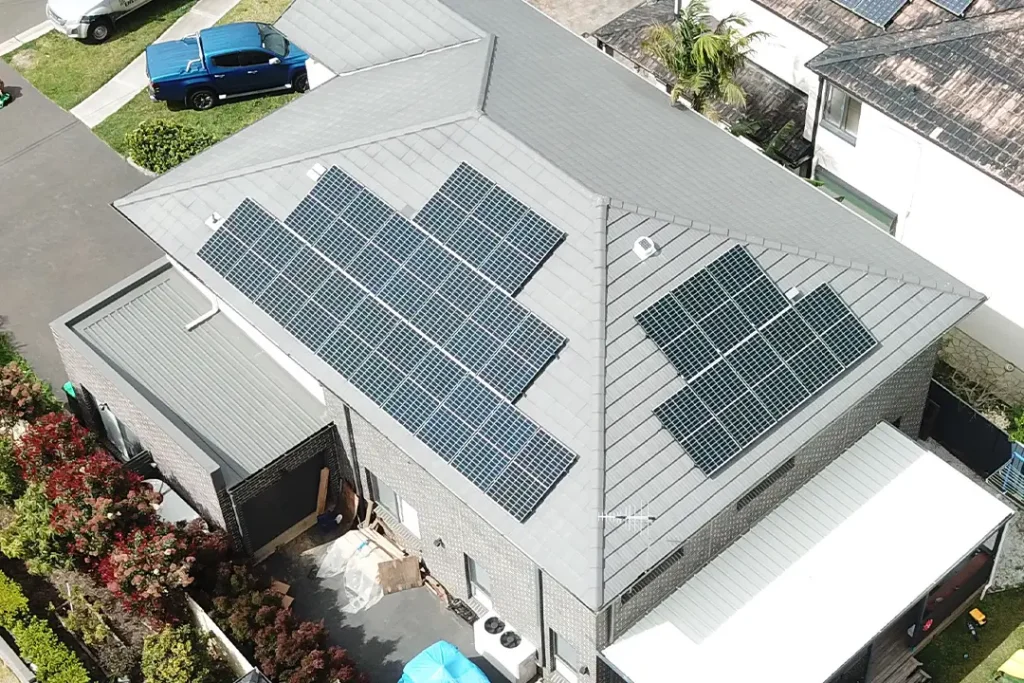
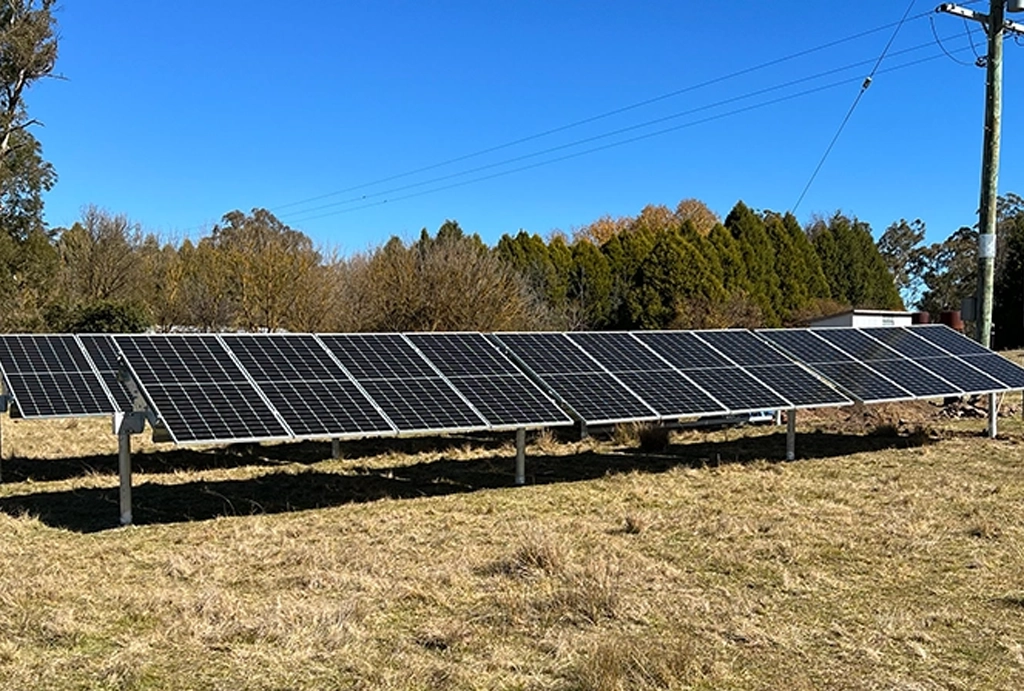
This is the step most quotes skip. A battery only stores surplus, and in June each kW of panels makes roughly 3.4 kWh a day on the coast and 3.0 on the Dorrigo plateau.
| Winter day, coast | 6.6 kW array | 10.56 kW array |
|---|---|---|
| Solar made | ~22 kWh | ~36 kWh |
| Used by the house in daylight | ~9 kWh | ~9 kWh |
| Left for the battery | ~13 kWh | ~27 kWh |
If the panels can’t fill it, a bigger battery just sits half empty through winter. Often the right answer is more panels first.
Check power, not just storage
kWh is how much the battery holds. kW is how fast it can deliver it. Air con, an oven and a kettle running together at 6pm can pull 6–8 kW, and if the battery can’t keep up, the grid tops up the difference.
Most homes here are single phase, which limits inverter size. Three-phase homes need a system that covers all three phases or the savings fall short.
Leave room to grow
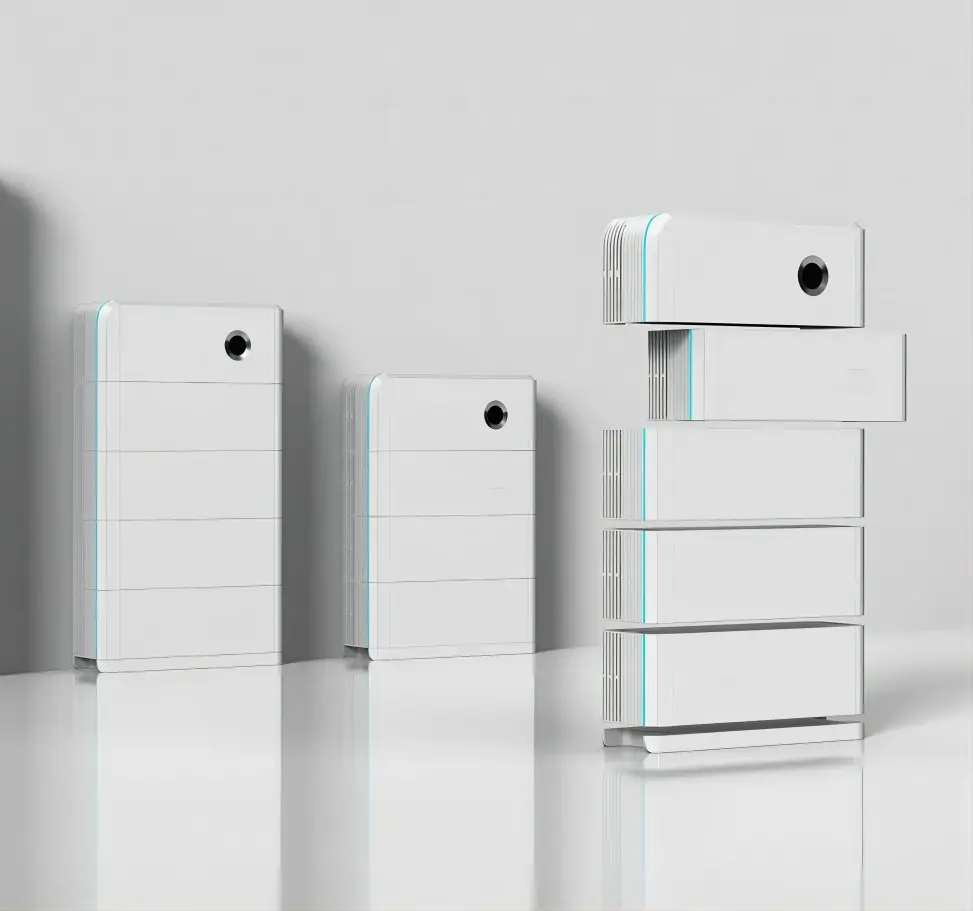
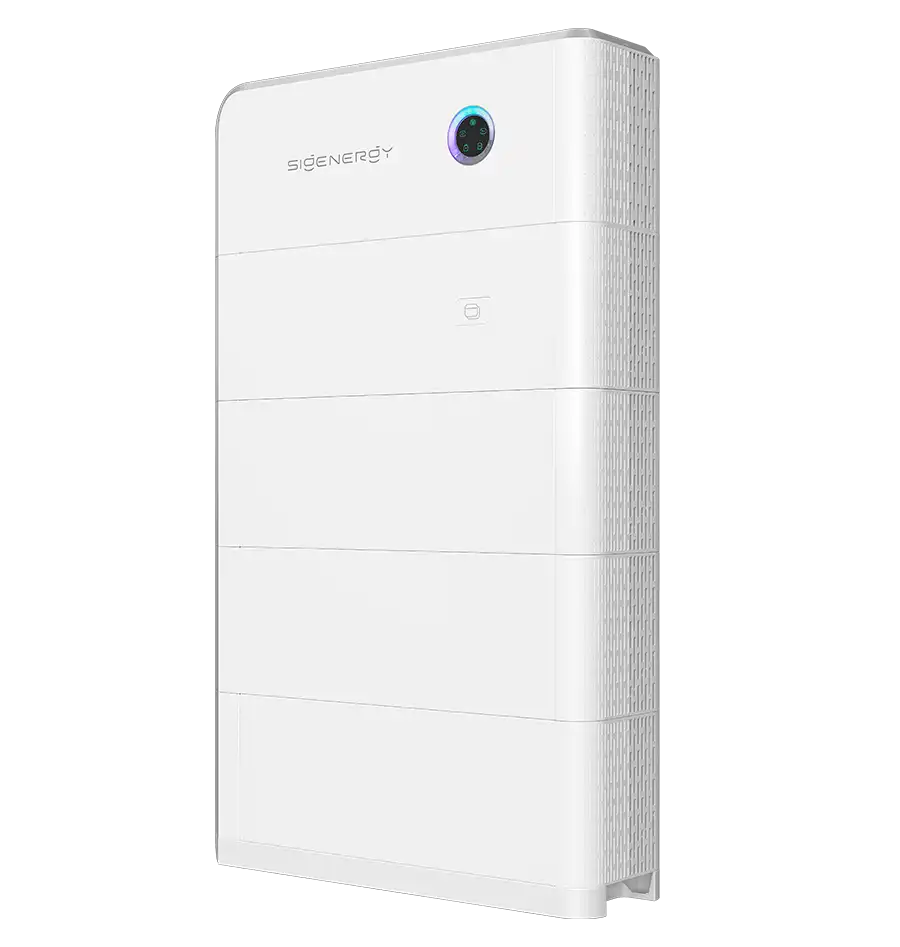
SigenStor is modular, so you can start with what makes sense now and add modules later, whether for an EV, a heat pump or a move to working from home. It’s often better value than buying the biggest battery on day one.
Where it goes matters too. NSW rules restrict batteries near bedrooms, exits and some wall types, which can decide how big a system fits.

What that looks like for three typical homes
Illustrative examples of households we design for, not specific customers
Retired couple, Urunga
13 kWh a day, 6 kWh after dark
They’re home during the day, so most solar gets used directly. A single module of around 8 kWh covers their evenings, and a hot water diverter soaks up the rest.
Family of four, Coffs Harbour
22 kWh a day, 12 kWh after dark
Evenings are cooking, TV, air con and showers. About 16 kWh usable gets them to morning, and their 10.56 kW array fills it even in winter.
Working from home, Dorrigo
26 kWh a day, EV, storm outages
Plateau winters and the odd day-long outage call for 24 kWh with a blackout reserve, paired with the largest single-phase array and a solar-aware EV charger.
Off-grid batteries are sized differently
With no grid to top up from, an off-grid battery is sized for days, not a night. We design for several grey winter days in a row, which is why off-grid homes toward Ebor, Hernani and Kookabookra usually need two to three times the storage of a grid-connected house.
Rebates and the size you choose
Two incentives stack in NSW: the federal Cheaper Home Batteries rebate, calculated on usable capacity, and a state payment for joining a virtual power plant. The federal rebate stepped down on 1 May 2026 and steps down again on 1 January 2027, so the same battery costs more next year. Our 13.3 kW solar and SigenStor package starts at $19,310 installed.
Common battery sizing questions
What size battery do I need for my home?
Size the battery to cover what you use between about 5pm and 7am, not your whole day. For most Mid North Coast homes that is 10 to 20 kWh of usable storage. Divide your after-dark usage by 0.85 to allow for losses and a small reserve.
Is a 10 kWh battery enough?
For a couple or a small household using under about 15 kWh a day, usually yes. A family of four using 20 kWh or more a day will typically run a 10 kWh battery flat by mid-evening and buy power for the rest of the night.
How many solar panels do I need to charge a battery?
Enough to cover your daytime use and still have surplus on a winter day. On the coast each kW of panels makes about 3.4 kWh a day in June, and on the Dorrigo plateau about 3.0. Most battery homes need 10 kW of panels or more.
Will a solar battery keep my power on during a blackout?
Only if it is installed with backup capability and you keep some charge in reserve. Some systems back up the whole house and some only essential circuits, so check before you buy.
Can a home battery run air conditioning?
Yes, if its power rating is high enough. Air conditioning, an oven and a kettle running together can draw 6 to 8 kW, so check the battery’s continuous kW output, not just its kWh capacity.
Can I add more battery capacity later?
With a modular system like Sigenergy SigenStor, yes. You can add modules as your needs change, such as when you buy an EV. Check how the rebate applies to additions before you plan around it.
Let us size your battery
Send a recent bill and a photo of your meter box. If you have a smart meter, ask your retailer for your interval data and send that too.
0422 544 555 | geoff@bettervolt.com.au | 1 Ash Street, Dorrigo NSW 2453
Yield and usage figures are typical starting points and vary with roof, shading, weather and household habits. Prices current as of September 2026.