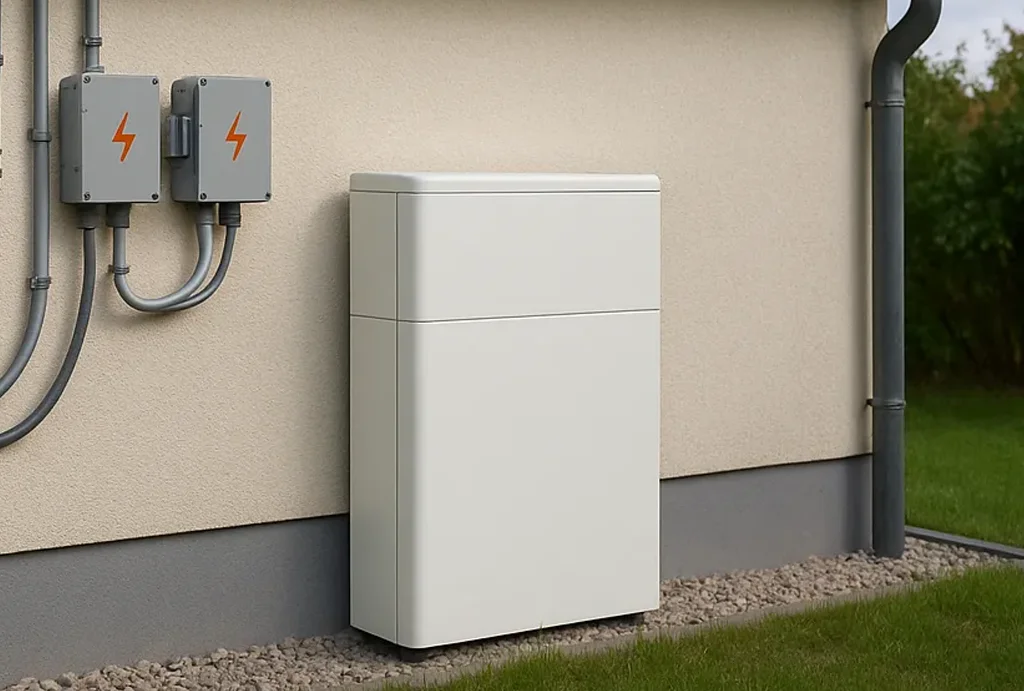
As solar battery storage becomes more popular across Australia, homeowners are being flooded with options. Prices vary wildly, and it’s tempting to assume that a cheaper battery will do the same job as a premium one — just at a lower upfront cost.
Unfortunately, that assumption often leads to disappointment.
Cheap solar batteries can come with hidden trade-offs that affect performance, lifespan, rebate eligibility, and even household safety. In many cases, the initial savings are quickly erased by early failures, poor support, or costly replacements.
Here’s what to look out for — and how to avoid making an expensive mistake.
Unreliable Performance and Faster Degradation
One of the biggest problems with low-cost solar batteries is inconsistent performance over time.
Cheaper systems often rely on lower-grade lithium cells, simplified electronics, or outdated battery management software. While they may perform acceptably at installation, issues tend to appear quickly:
- Reduced usable capacity after only a few years
- Difficulty handling evening peak loads
- Poor efficiency during high-demand periods
- Rapid degradation in hot Australian conditions
As capacity drops, households become increasingly dependent on grid electricity again — undermining the very reason the battery was installed.
What initially looked like a saving can turn into an early replacement, wiping out any financial advantage.
Weak Warranties and Poor Local Support
Warranty coverage is one of the clearest indicators of battery quality.
Many low-priced battery brands offer limited warranties with restrictive conditions, and some lack a genuine Australian service presence altogether. When faults occur, homeowners may face:
- Long response times
- Unclear warranty claims processes
- Overseas-only support
- Difficulty sourcing replacement parts
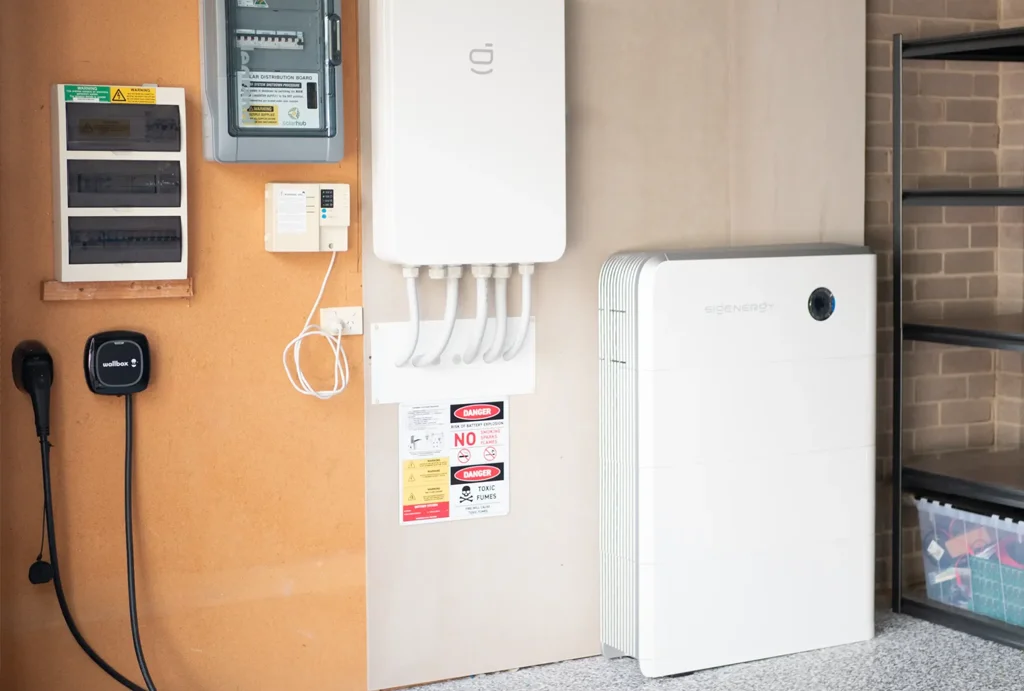
By contrast, established manufacturers like Sigenergy maintain Australian-based support networks, defined warranty pathways, and long-term market accountability — all essential for a system expected to last a decade or more.
Minimum Battery Rebate Eligibility Risks
Australia’s federal battery rebate has made storage more accessible — but not every battery qualifies.
To be eligible, batteries must meet strict safety, performance, and compliance standards. Many ultra-low-cost options fail to meet these requirements, meaning homeowners may:
- Miss out on thousands of dollars in rebates
- Install a system that cannot be approved or connected
- Face compliance issues with retailers or network operators
In some states, non-compliant systems can even be rejected by energy distributors, creating costly delays or retrofits.
Safety Shortcuts Can Be Dangerous
Solar batteries store large amounts of energy inside your home or garage. Safety is non-negotiable.
Budget systems may cut corners on:
- Thermal management
- Cell balancing
- Fire containment
- Software fault detection
Without a robust Battery Management System (BMS), the risk of overheating, electrical failure, or thermal runaway increases — especially during heatwaves, which are becoming more frequent across Australia.
A properly certified battery is not just about energy performance. It’s about protecting property, occupants, and installers.
How to Spot a Risky Battery Offer
If a battery deal sounds unusually cheap, it’s worth slowing down and asking the right questions.
Warning signs include:
- Heavy-pressure sales tactics
- Vague claims about rebate eligibility
- No mention of CEC approval
- Limited brand history in Australia
- No clear after-sales support process
Always verify that the battery is listed on the Clean Energy Council’s approved products register and confirm who is responsible for warranty claims — the installer, the distributor, or the manufacturer.
A reputable installer will explain trade-offs honestly, not rush you into a decision.

The Real Cost of “Cheap”
Solar batteries are long-term infrastructure, not impulse purchases.
While budget systems may reduce upfront costs, they often introduce higher risks — from poor performance and early failure to compliance problems and safety concerns. Over time, these issues can easily outweigh the initial savings.
For Australian households looking to protect themselves from rising electricity prices, reliability, safety, and support matter more than headline price.
Choosing a quality battery from a trusted supplier isn’t just a smarter energy decision — it’s a safer one.
Why Choose Better Volt for Your Battery Installation
BetterVolt delivers safe, compliant battery installations across New South Wales, following every requirement under AS/NZS 5139, AS/NZS 3000 and all NSW network service rules.
Our team measures all clearances, fits compliant fire barriers where required, and installs protection in garages or driveways. You’ll also receive full documentation, warranties and commissioning records.
If you’re ready to install a battery the correct way, talk to BetterVolt today. From inspection to final sign-off, we handle every detail so you can enjoy reliable battery storage built for NSW homes and energy needs.
Geoff Tosio – BetterVolt Solar + Batteries: Dorrigo